
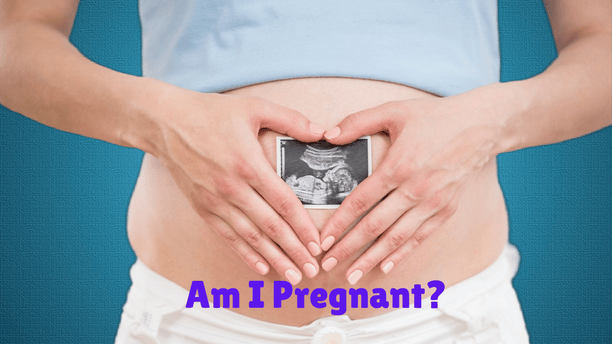
That lingering question—”Am I pregnant?”—can be a time of immense excitement, nervousness, and curiosity. Whether you’ve been trying to conceive or the possibility is a surprise, your body might start sending you signals very early on.
Understanding these early signs of pregnancy is the first step in your journey. It’s important to remember that every person—and every pregnancy—is unique. You might experience all, some, or none of these symptoms. They can also be surprisingly similar to premenstrual syndrome (PMS), which can add to the confusion.
This guide will walk you through the most common early signs, explaining the science behind them and offering tips for managing this special time. Let’s dive in.
The Very First Clue: Understanding Implantation
Before we list the symptoms, it’s crucial to understand what’s happening inside your body during the earliest stages of pregnancy.
Conception occurs when a sperm fertilizes an egg. This new cell begins rapidly dividing and traveling down the fallopian tube toward the uterus. Once it reaches the uterus, it burrows into the lush uterine lining. This process is called implantation.
Implantation typically happens 6 to 12 days after ovulation (and fertilization). This event triggers a cascade of hormonal changes, primarily a dramatic increase in the production of two key hormones:
- Human Chorionic Gonadotropin (hCG): This is known as “the pregnancy hormone.” It’s the hormone that home pregnancy tests detect. Its levels start very low and double approximately every 48-72 hours in early pregnancy.
- Progesterone: This hormone rises after ovulation anyway, but if you’re pregnant, it continues to rise. It’s responsible for maintaining the uterine lining and preventing menstruation, but it also causes many of the classic early pregnancy symptoms.
Now, let’s look at the signs that these hormonal shifts can create.
The Most Common Early Signs of Pregnancy
1. A Missed Period
This is the classic and most obvious sign that leads most people to take a pregnancy test. If you have a regular menstrual cycle and your period is late, it’s a strong indicator.
- Why it happens: After implantation, the hormone hCG signals the corpus luteum (the structure left behind after ovulation) to keep producing progesterone. High progesterone levels prevent the uterine lining from shedding, which is what causes your period.
- Important Note: A missed period isn’t a guaranteed sign of pregnancy. Stress, significant weight changes, hormonal disorders, and changes in birth control can also cause a late or missed period.
2. Implantation Bleeding and Cramping
About one-quarter of pregnant women experience some light spotting or bleeding around the time of implantation.
- What it feels/looks like: This is not a full period. It’s usually very light pink or brownish spotting, much lighter than a menstrual flow. It may be accompanied by mild cramping, often described as a “tugging” or “prickling” sensation. This typically occurs 10 to 14 days after conception—right around when you might expect your period.
- Why it happens: The spotting is thought to be caused by the fertilized egg embedding itself into the uterine lining, which can disrupt small blood vessels.
- The Research: A study published in the journal Human Reproduction found that implantation bleeding occurred in approximately 25% of pregnancies, often around the same time a woman would expect her period, making it a common point of confusion.
3. Tender, Swollen Breasts
This is often one of the very first physical changes noticed. Your breasts may feel sore, sensitive, tingly, or heavy. The area around the nipples (the areola) may also darken and enlarge.
- Why it happens: Those surging levels of estrogen and progesterone cause increased blood flow and changes in breast tissue, preparing the milk ducts for breastfeeding very early on.
- How it’s different from PMS: While breast tenderness is also a PMS symptom, pregnancy-related tenderness often feels more pronounced and doesn’t subside after your period is due; it typically continues and may even intensify.
4. Fatigue (“The 3 PM Wall”)
Feeling overwhelmingly, can’t-keep-your-eyes-open tired is extremely common in the first trimester. This isn’t normal tiredness; it’s a deep, profound exhaustion.
- Why it happens: Your body is working overtime. Progesterone is a central nervous system depressant, which has a sedative effect. Furthermore, your body is building the placenta, increasing blood production, and your metabolism is running high—all of which consume a tremendous amount of energy.
- The Data: A review of studies on pregnancy fatigue noted that it is one of the most prevalent symptoms, often peaking during the first trimester before improving in the second.
5. Nausea (With or Without Vomiting)
Famously known as “morning sickness,” this nausea can actually strike at any time of day or night. It usually starts around week 6 of pregnancy but can begin as early as week 4.
- Why it happens: The exact cause isn’t fully understood, but it’s strongly linked to the rapid increase in hCG and estrogen. A heightened sense of smell during pregnancy can also trigger waves of nausea.
- The Research: According to the American College of Obstetricians and Gynecologists (ACOG), over half of all pregnant women experience nausea and vomiting. Contrary to its name, a study in the British Journal of General Practice found that while nausea is often worst in the morning, only a minority of women experience it exclusively then.
6. Frequent Urination
You might find yourself making many more trips to the bathroom, even during the night.
- Why it happens: Shortly after conception, increased blood flow to your kidneys makes them more efficient, leading to more urine production. Later in pregnancy, this is caused by the growing uterus pressing on the bladder, but in these very early weeks, it’s purely hormonal.
7. Food Aversions and Cravings
Suddenly, the smell of coffee you once loved makes you gag. Or you have an intense, undeniable craving for pickles or a specific food. These are classic pregnancy tropes for a reason—they’re very real!
- Why it happens: Hormones are again the likely culprit, particularly estrogen, which can dramatically alter your sense of taste and smell. Some theories suggest this evolved to protect pregnant women from eating potentially harmful or spoiled foods.
Other Potential Early Symptoms
Beyond the most common signs, you might also experience:
- Mood Swings: The hormonal rollercoaster of early pregnancy can send your emotions on a wild ride, making you feel elated one moment and tearful the next.
- Bloating: High progesterone levels can slow down your digestive system, leading to bloating and constipation, which can make your clothes feel tighter even early on.
- Heightened Sense of Smell: Many newly pregnant women report a sudden sensitivity to odors, which can be a trigger for nausea.
- Basal Body Temperature (BBT) Stay High: If you’ve been tracking your BBT, a sustained elevation for over 14 days after ovulation is a strong sign of pregnancy.
- Headaches: Increased blood volume and hormonal shifts can cause mild, frequent headaches in early pregnancy.
What To Do Next: From Suspicion to Confirmation
If you’re experiencing several of these symptoms, your next steps are straightforward.
- Take a Home Pregnancy Test: This is the easiest and most accessible first step. For the most accurate result, wait until the first day of your missed period to test. Testing too early can result in a false negative because hCG levels may not yet be high enough to detect. Use your first-morning urine, as it has the highest concentration of hCG.
- See a Healthcare Provider: If your home test is positive, schedule an appointment with your doctor or a midwife. They will confirm the pregnancy with a blood test (which is more sensitive than a urine test) and provide you with crucial prenatal guidance to start your journey healthily.
A Final, Important Note: Listen to Your Body
Your intuition is a powerful tool. If you feel different, even before any test can confirm it, there’s often a reason. Pay attention to the signals your body is sending you.
Most importantly, if you suspect you might be pregnant, it’s a good idea to start acting like you are. Begin taking a prenatal vitamin with at least 400 mcg of folic acid immediately, as this nutrient is critical for preventing neural tube defects in the very early weeks of development. Avoid alcohol, smoking, and limit caffeine.
Remember, this list is a guide, not a diagnosis. Whether you’re hoping for a positive or negative result, taking a test and consulting a healthcare professional will give you the answers and support you need to move forward confidently.
Disclaimer: This article is for informational purposes only and does not constitute medical advice. Always consult with a qualified healthcare professional for any health concerns or before making any decisions related to your pregnancy.
Sources Referenced:
- American College of Obstetricians and Gynecologists (ACOG). (2020). “Morning Sickness: Nausea and Vomiting of Pregnancy.”
Checkout our Pregnancy Calculator to find out the expected delivery date.